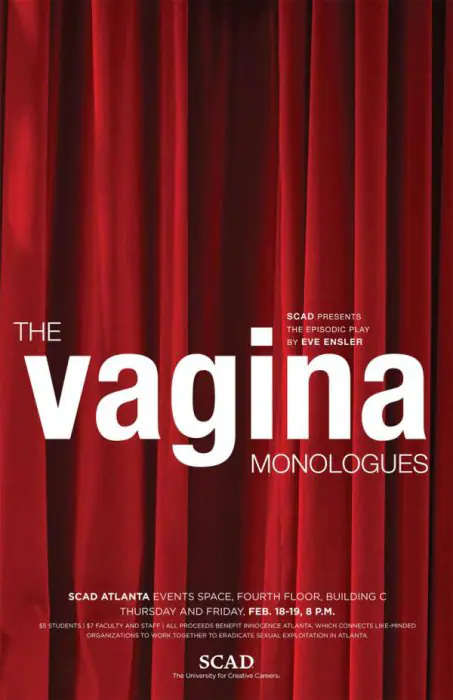
The Vagina Monologues: A Record of Language Breaking Taboos and Liberation, a Sovereign Interpretation Reclaimed by the Female Body
Language defines existence, and unnamed pain never even receives the opportunity to be healed. When a single word we dared not utter is called out into the public square, the history of women finally escapes the shadows of silence and enters the realm of light. Moving beyond a mere performance recording, this work is a grand narrative of liberation seeking to recapture the physical truths of women that have been concealed for millennia.
🌿 Moments When This Film Deeply Permeates
- When you wish to feel the fact that you are the owner of your own body, not with your head, but with a burning heart.
- When you want to wash away memories of feeling ashamed of yourself, trapped by the gaze of others and social censorship.
- When you want to confirm that the pain and ecstasy experienced by all women in the world are connected to your own.
- If you have ever denied or objectified your own body even once, it is because through this analysis, you will discover the philosophical starting point to integrate that fragmented self into a whole “I.”
🎞️ Note Before Viewing
This work uses very direct and unvarnished language regarding female genitalia and physical experiences. It is explicitly stated that this is not for the purpose of provocative stimulation, but rather a humanistic approach aimed at the relationships, wounds, and healing inherent in women’s lives.
🎬 Movie Information
- Title: The Vagina Monologues (2002)
- Director: Eve Ensler
- Screenplay: Eve Ensler
- Original Work: Eve Ensler’s play of the same name, The Vagina Monologues
- Country: 🇺🇸 USA
- Genre: Documentary, Comedy, Drama
- Running Time: 77 minutes
- Platform: HBO, DVD, and international streaming services
- Cast: Eve Ensler, Debbie DeLisi, etc.
📖 The Vagina Monologues: A Burning Breath Granted to Nameless Beings [No Spoilers]
The work is a collection of monologues constructed based on interviews that writer and activist Eve Ensler conducted with over 200 women. On stage, instead of ornate decorations, only voices and emotions exist, and the experiences of women of different races, ages, and classes unfold in an omnibus format.
The flow of the narrative begins by staring directly at the social taboo held by the word “vagina,” progressing through the embarrassment of a first menstruation, the exploration of sexual pleasure, the wondrous pain of childbirth, and the trauma of war and violence. Individual episodes appear independent of one another, but they eventually converge into universal questions about “living life as a female body.” The audience moves between constant playful laughter and chilling sorrow, facing the fundamental conflict of why we have kept such a natural part of the body in an “anonymous” space for so long.
🎤 Political Consequences and Existential Interpretation Brought by the Act of Naming
The most powerful aspect of The Vagina Monologues lies in the way it reclaims ownership of words. From a linguistic perspective, the fact that a word referring to a specific object is tabooed means that the object has been deprived of social power.
By articulating the word repeatedly on stage, Eve Ensler washes away the negative stigma attached to it. This act of naming is not mere wordplay, but a process of subjective independence that separates the female body from male desire or medical observation. As the work passes its midpoint, the audience no longer winces upon hearing the word.
This is because the moment the word becomes familiar, the shame it once symbolized also deconstructs. What we witness at the conclusion is the ecstasy of the moment when the physical space of the body completely integrates with the mental space of the self.
🌋 The Intersection of Trauma and Ecstasy: A Review of Solidarity Passing Through Pain
Passages dealing with the confessions of sexual violence survivors from the “Bosnian War” or childhood wounds cast a heavy gloom over the work’s atmosphere. However, the production does not consume this pain simply as a victim narrative. Instead, it converts anger into energy, expanding it into the social movement known as “V-Day.”
From an interpretive standpoint, this work asserts that facing pain directly is the beginning of healing. The humorous anger shown in the “My Angry Vagina” episode provides a catharsis that releases repressed emotions, which aligns with the sense of liberation in “The Woman Who Loved to Make Vaginas Happy.” Through mise-en-scène and performance, the work proves that pain and ecstasy are not separate emotions, but two stems rooted in the single earth of a woman’s life.
🔎 Dignity Walking Out into the Square through Opened Doors
The end of this documentary film concludes by showing the heat from the stage spreading beyond the audience into solidarity among women worldwide. Here, the ending is not merely the close of a performance, but a historical turning point where the contract of silence is rescinded.
The women, who had been giving voice to different stories, connect like one giant chorus in the final moment, and their individual experiences are sublimated into the collective intelligence of the community. What the protagonists (or speakers) gained is “self-ownership,” having recaptured their own bodies from the gaze of others; what they lost is the formless “shame” that had fettered them for thousands of years. Life after the conclusion can no longer be the same as before.
This is because a being who has become able to call their own name no longer hides. The conclusion of this work is a structural declaration transferring the female body from the territory of social oppression to the territory of human dignity.
💬 Modern Issues and Interpretations Surrounding The Vagina Monologues
Q1. Since it is a work from the early 2000s, isn’t there a difference from current sensibilities?
There is criticism that by focusing on the experiences of biological women, it did not sufficiently capture the diversity of the gender spectrum. This was also a limitation of the era in which feminist discourse existed at the time. However, the fundamental theme of “physical autonomy” remains valid, and it must be acknowledged that more expanded discussions have become possible on the path paved by this work.
Q2. What about the opinion that the way the work is expressed is too graphic, causing discomfort?
The intention of this work is to throw a question regarding what the substance of that “discomfort” is. It is a process of breaking social conventions: why is the description of an arm or a leg natural, while a truthful description of a specific part causes discomfort? That discomfort is not a flaw of the work, but symbolizes the thickness of the wall we must break down.
✨ The Vagina Monologues: A Paean for All Bodies that Refuse Silence
This work is not a record of the past, but a record of an ongoing struggle. The beginning of relationships, love, and identity ultimately starts from affirming one’s own body. If you have experienced constantly feeling diminished in relationships with others, this film will teach you how to reconcile with your body—your most intimate companion. True liberation is completed the moment you pronounce your own name with your own voice.
💭 A Short Insight to Break the Silence
“The most personal is the most political, and the place you most want to hide is where healing is most needed.” What kind of conversation are you having with your body? Is it the language of shame, or the language of ecstasy?
📽️ Curation: Other Journeys of Women Seeking Solidarity and Self
- Rocks (2019) / Netflix: This film deals with the brilliant friendship and solidarity of teenage girls in London amidst a harsh reality. While The Vagina Monologues deals with physical awareness, this film vividly portrays social survival and the bond between girls.
- Never Rarely Sometimes Always (2020): Through the journey of two cousins, this film uses extremely restrained mise-en-scène to show a woman’s right to self-determination and the silent solidarity experienced in that process. It is a work where you can feel the value of ‘being beside’ someone more deeply than any grand declaration.
To provide a more stable publishing environment, multilingual content, and better communication with our readers, we have moved our official publication to Substack.
All new film reviews and critical essays will be published on our new platform. This website will be closing down soon, so we would greatly appreciate it if you subscribed to our new space.
TODAY'S QUESTION
Which couple, on screen or in real life, are you rooting for right now?
Your answer isn't saved. Feel free to share it in the comments below.


You May Also Like
The Chambermaid: A Maid and an Aristocrat Shaking the Fractures of an Era, a Portrait of Two Women Who Dreamed of a Sad Paradise
Birds of Paradise: The Chilling Aesthetics of Liberation Met at the Edge of Desire